 Vendune
Feature-tour captures — 6 and 8 October 2026
Feature guide · All media provenance
These are screenshots and recordings of the actual Vendune application, captured through its browser UI in an isolated local Docker installation with real PostgreSQL and Qdrant. The shop, merchant/customer identities, addresses, order, knowledge source and app records are synthetic. No production shop or customer data is used. Responses and DOM/layout were not mocked or rearranged; screenshots were not generated or retouched.
The guide was subsequently reviewed on 8 October; its new public integration captures have separate provenance. The recordings in this directory retain their 6 October source versions.
The two 8 October App Studio PNGs (app-form-designer.png and
app-private-preview.png) were captured from the feat/app-platform-v2 working
tree based on a8755f4, using the actual Chrome UI and Rust runtime on port 61610
with isolated PostgreSQL 17. The synthetic shop is App Studio Lab. The preview
contains a lamp care record saved through the native app gateway and reloaded
from PostgreSQL. No provider call, production data, Qdrant assertion, mocked
response or image modification is involved in these two captures. The final
commit containing them identifies the exact captured source changes.
Source versions
The feature guide was reviewed against main at 5e4f8b5. The unchanged UI
screenshots and all twelve GIFs were captured from 036b36a (the current
Nord Atelier demo, including the preceding platform controls). The instance was
then rebuilt from 5e4f8b5 to check the trusted identity/hosted frontend additions.
identity-explorer.jpg, app-data-models.jpg, app-design-still.jpg,
product-pricing.jpg, product-visibility.jpg, product-specifications.jpg,
product-seo.jpg, product-cross-selling.jpg, product-reviews.jpg,
shipping.jpg and customer-groups.jpg were captured from that rebuild. They
show the latest identity route, actual saved app model/design and native product,
shipping and customer-group controls. This distinction avoids relabeling older captures as a
different source build.
The twelve checked-in fashion photographs are generated demo artwork. The screenshots show those actual bundled files; they do not establish image-provider quality or a new inference call. The two separately dated email/Product Lab illustrations referenced by the feature guide retain their original provenance in the parent media directory.
Recording inventory
| File | Real interaction | Observed boundary |
|---|---|---|
| variants-cart.gif | Switch coat size, inspect SKU/stock and add to cart | The cart contains the selected child product |
| checkout.gif | Select delivery, review quote and place order | Simulated authorization/order only; no real charge |
| product-languages.gif | Change saved content language and open Markdown | Hydrates existing translations; no automatic model translation |
| variant-generator.gif | Generate XL/XXL draft combinations | Stops at review; the children are not created |
| history-restore.gif | Confirm restore of a previous product revision | Native validated restore; live stock is preserved |
| knowledge-publication.gif | Request publication and confirm the decision | The fictional source becomes eligible public knowledge |
| flow-canvas.gif | Navigate and inspect the saved six-step flow | Editor interaction; no external delivery is asserted |
| channel-wizard.gif | Select languages/category root and review a channel | Final creation is a separate step |
| app-design.gif | Add Text/Cards, undo and redo | Native canvas with explicitly labeled sample data |
| app-preview.gif | Save a product-bound care record in the working preview | Actual sandbox-managed persistence |
| selective-release.gif | Release the selected app package | Separate app-record data remains in the sandbox |
| shop-lifecycle.gif | Pause, trash and restore an empty shop | Recoverable lifecycle of the isolated lifecycle-tour shop |
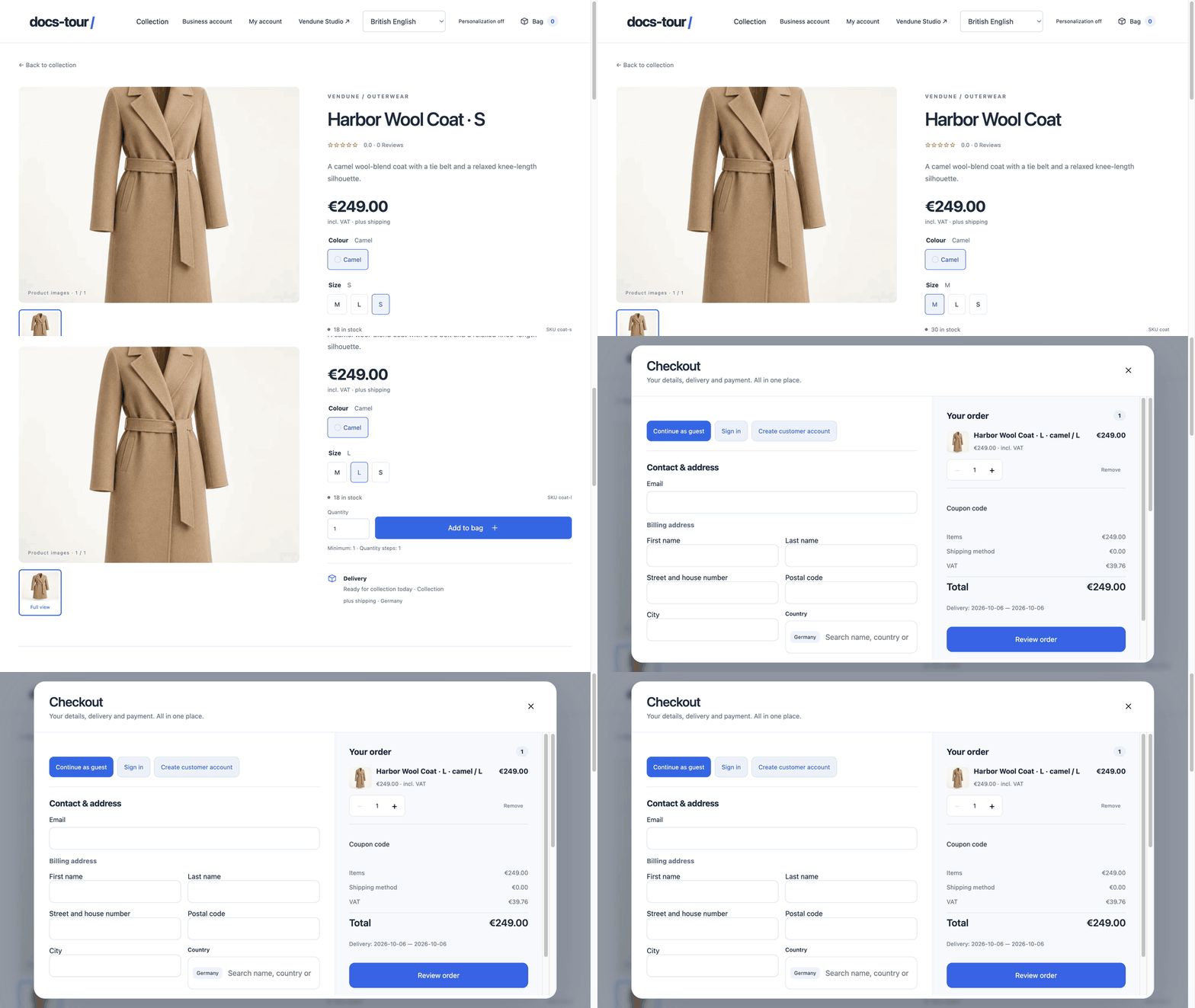
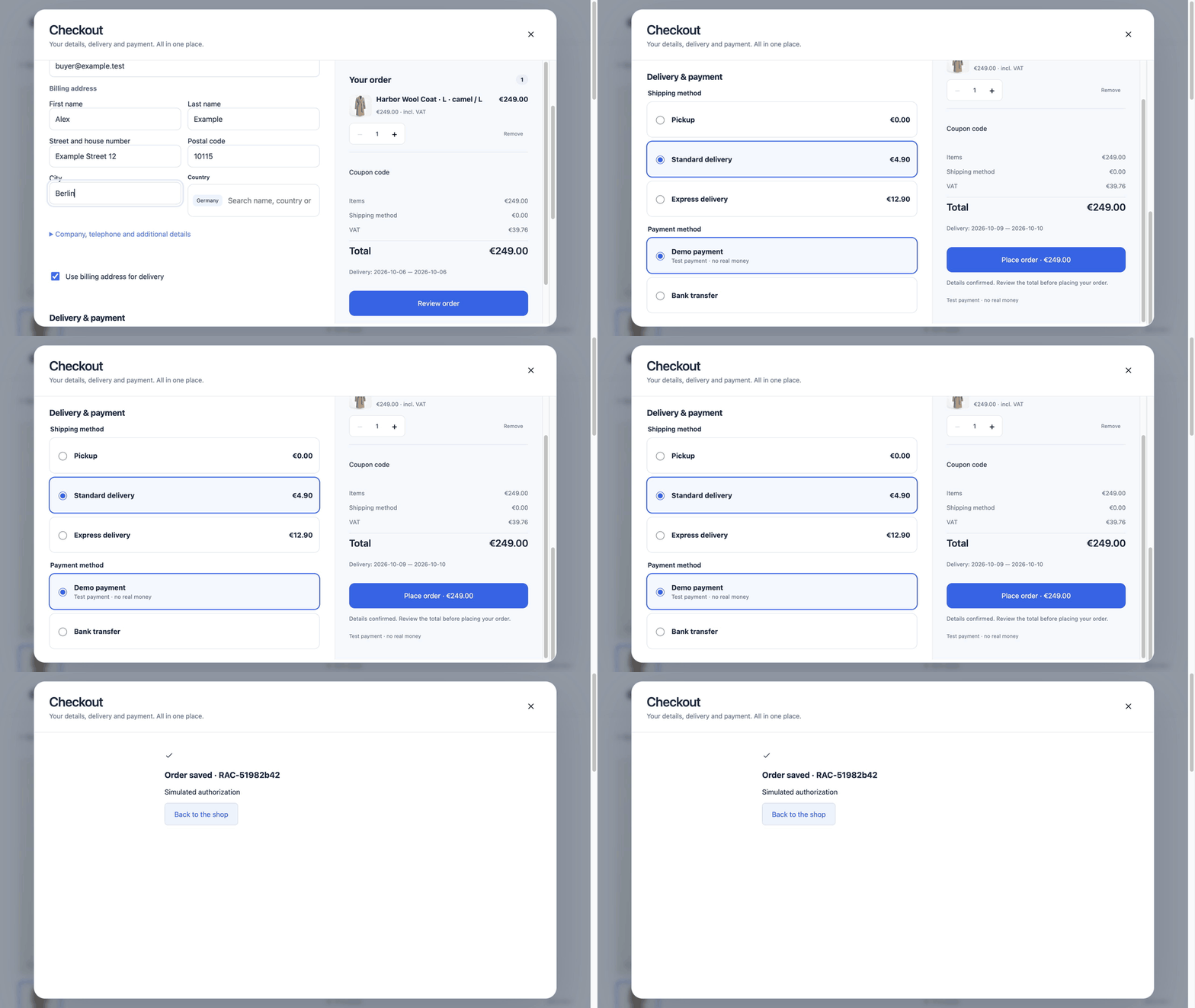
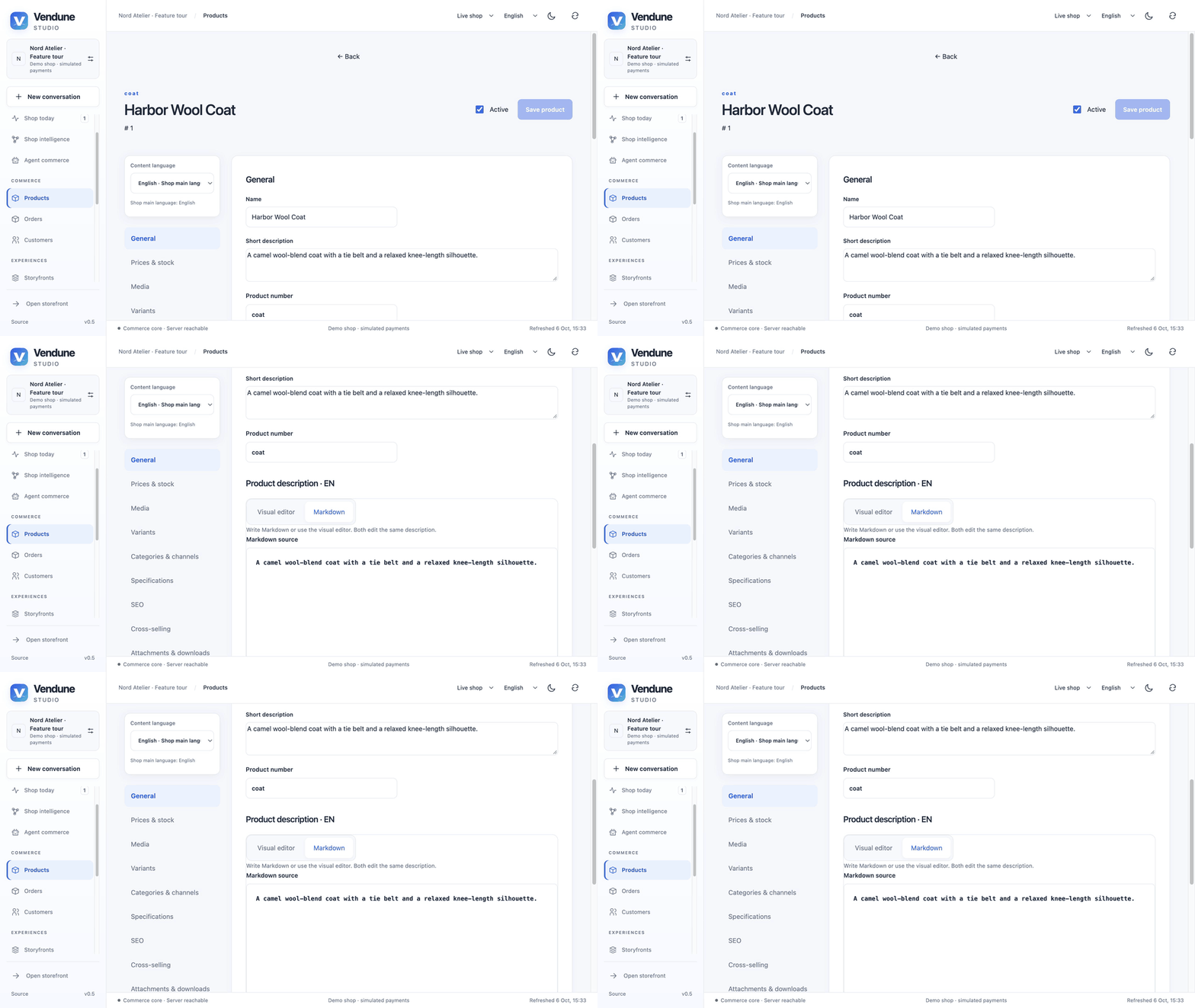
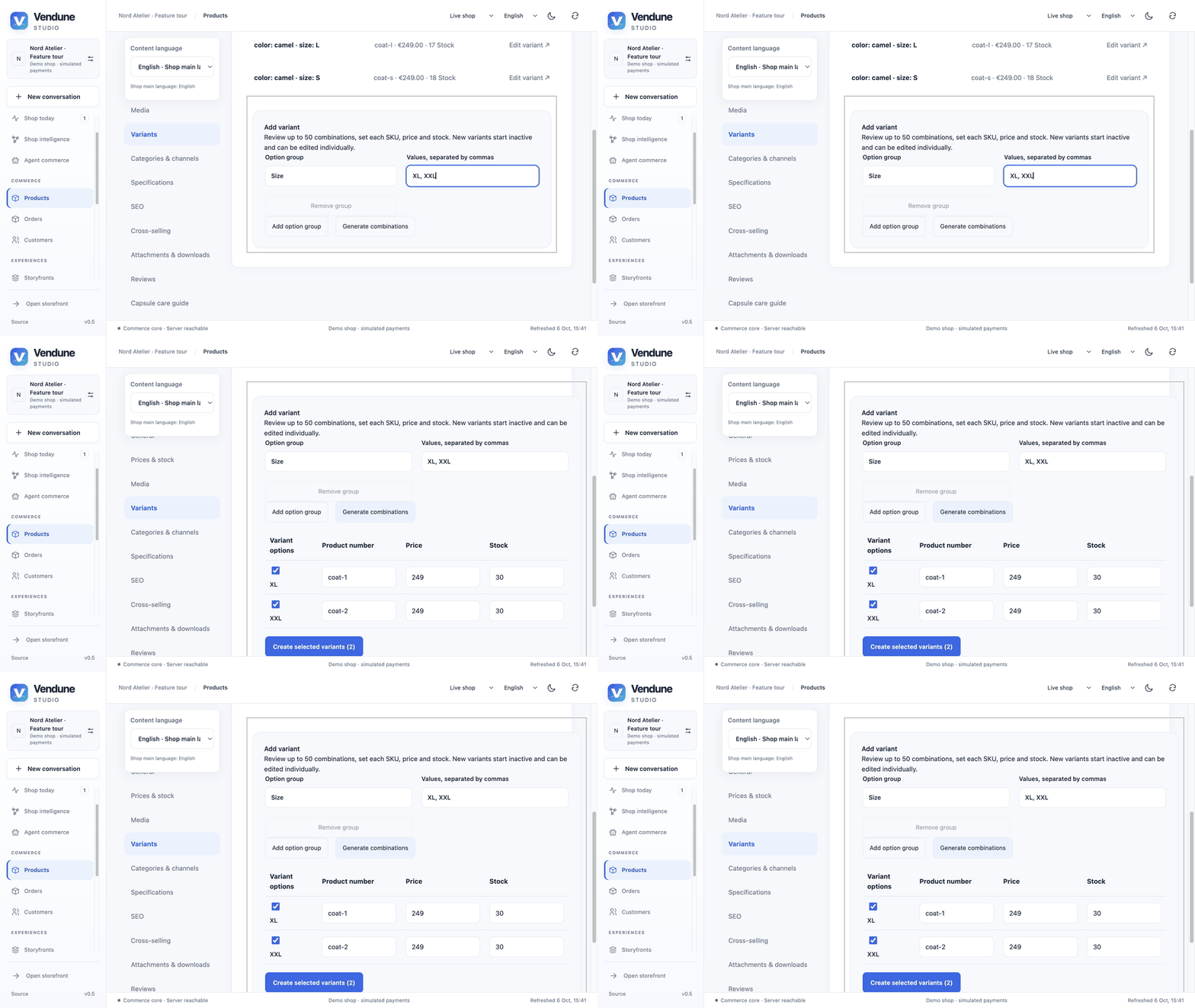
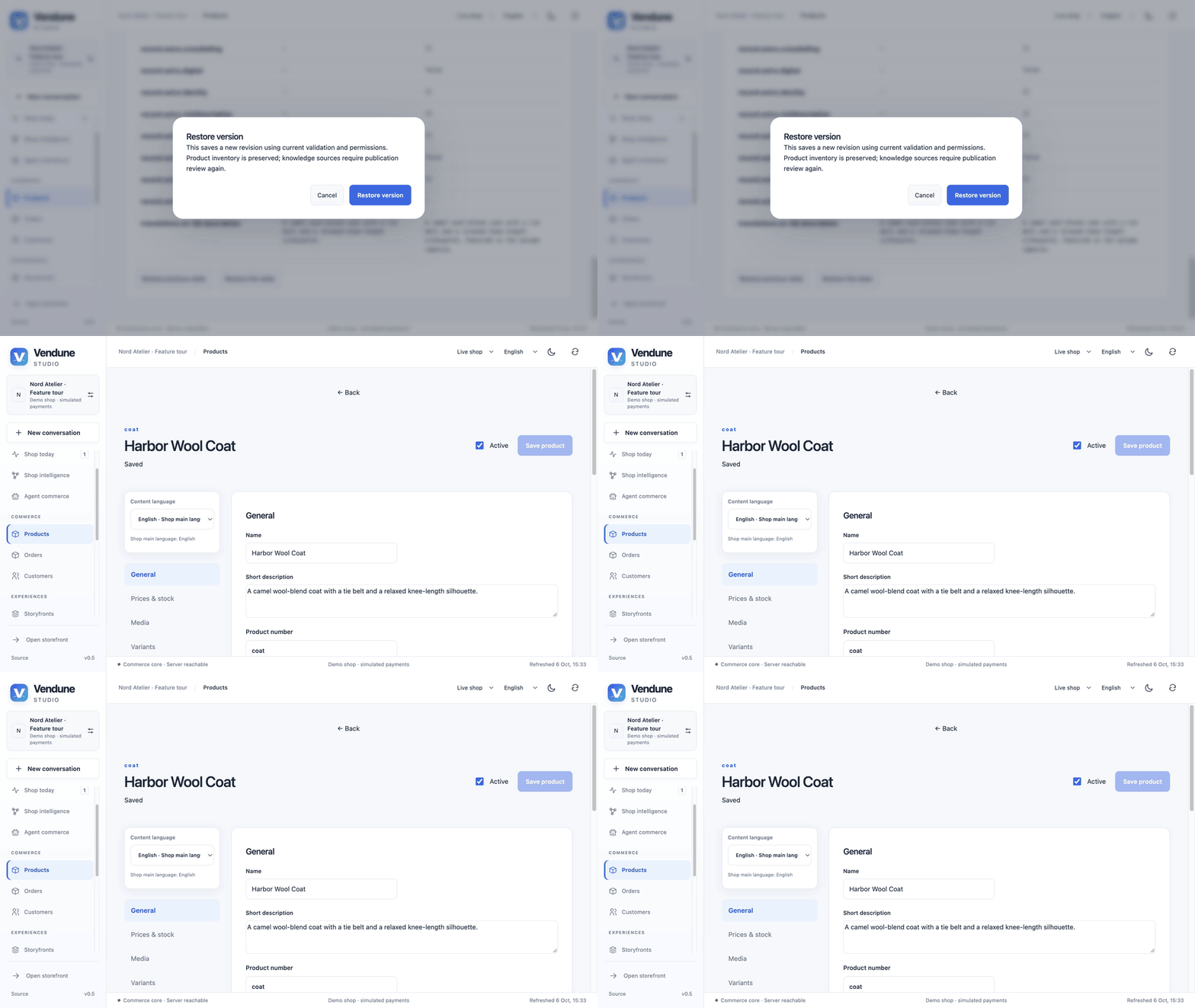
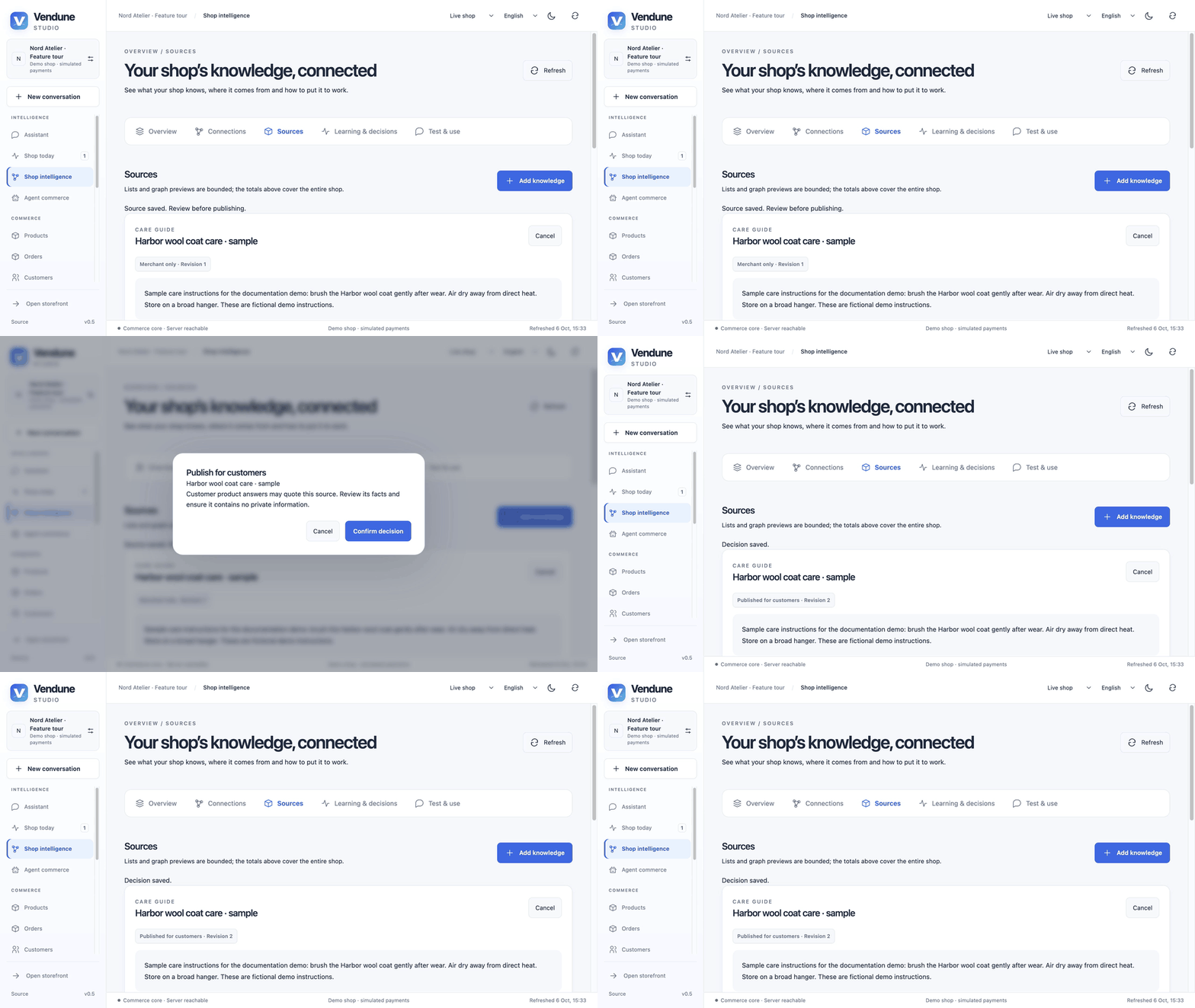
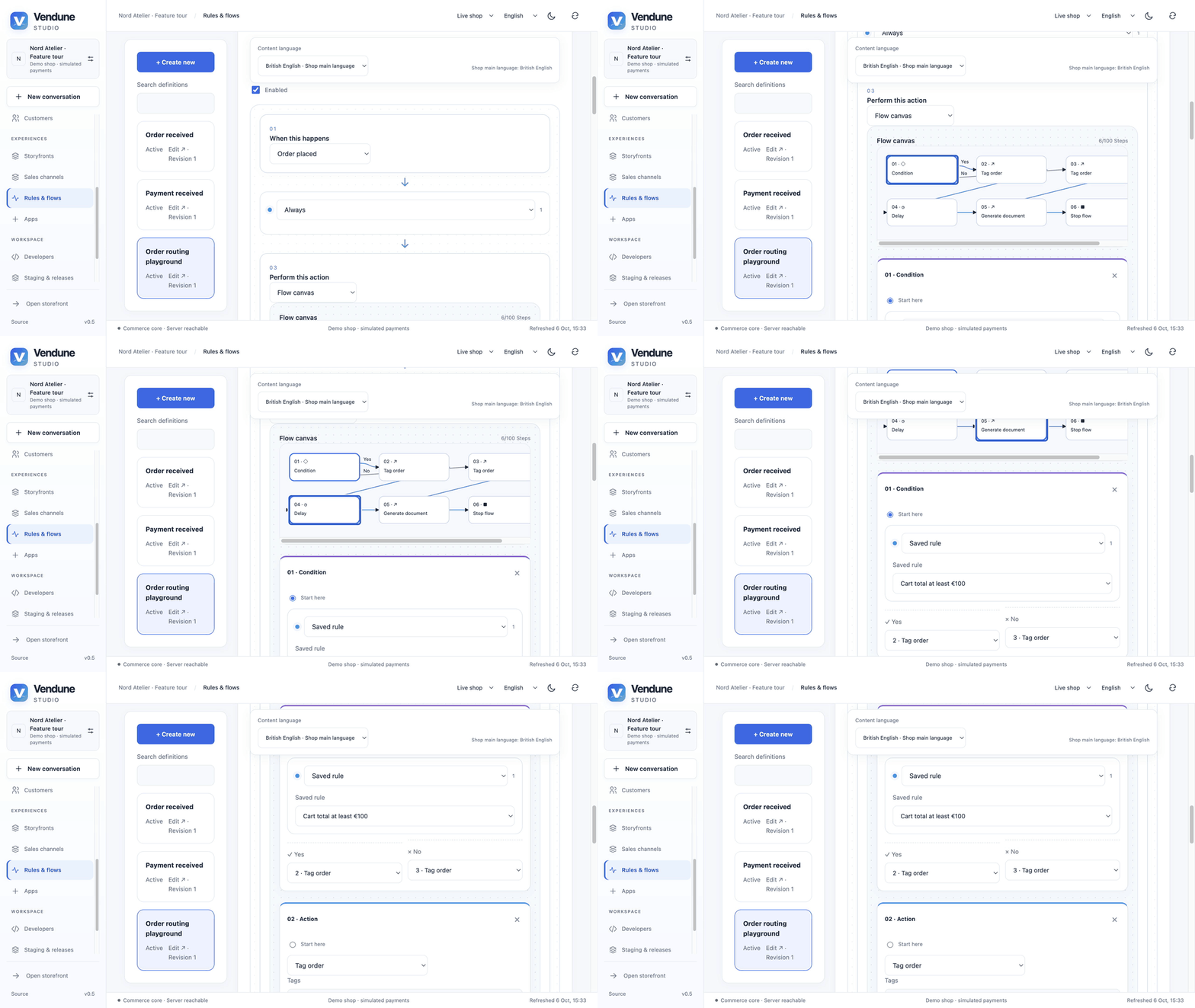
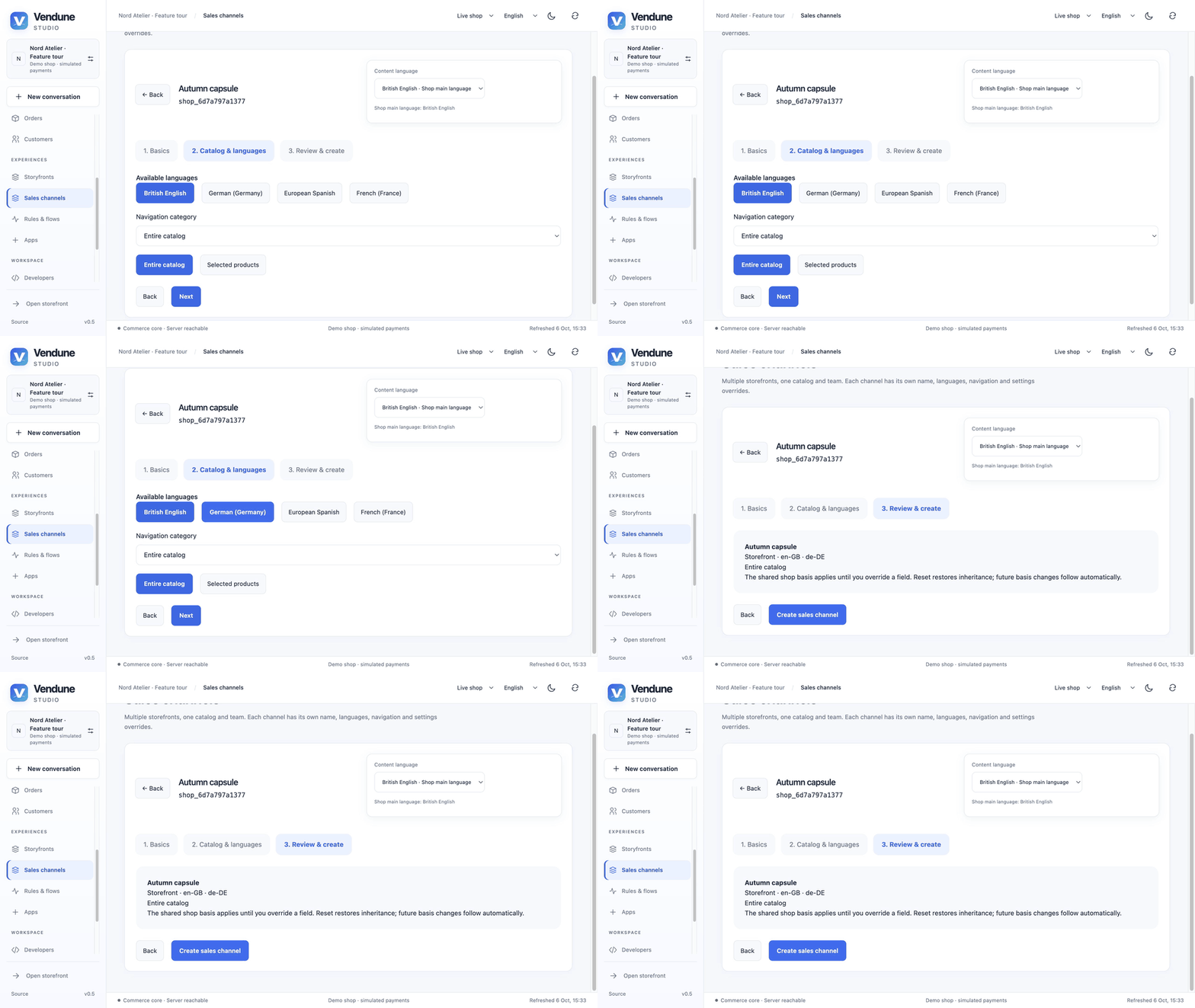
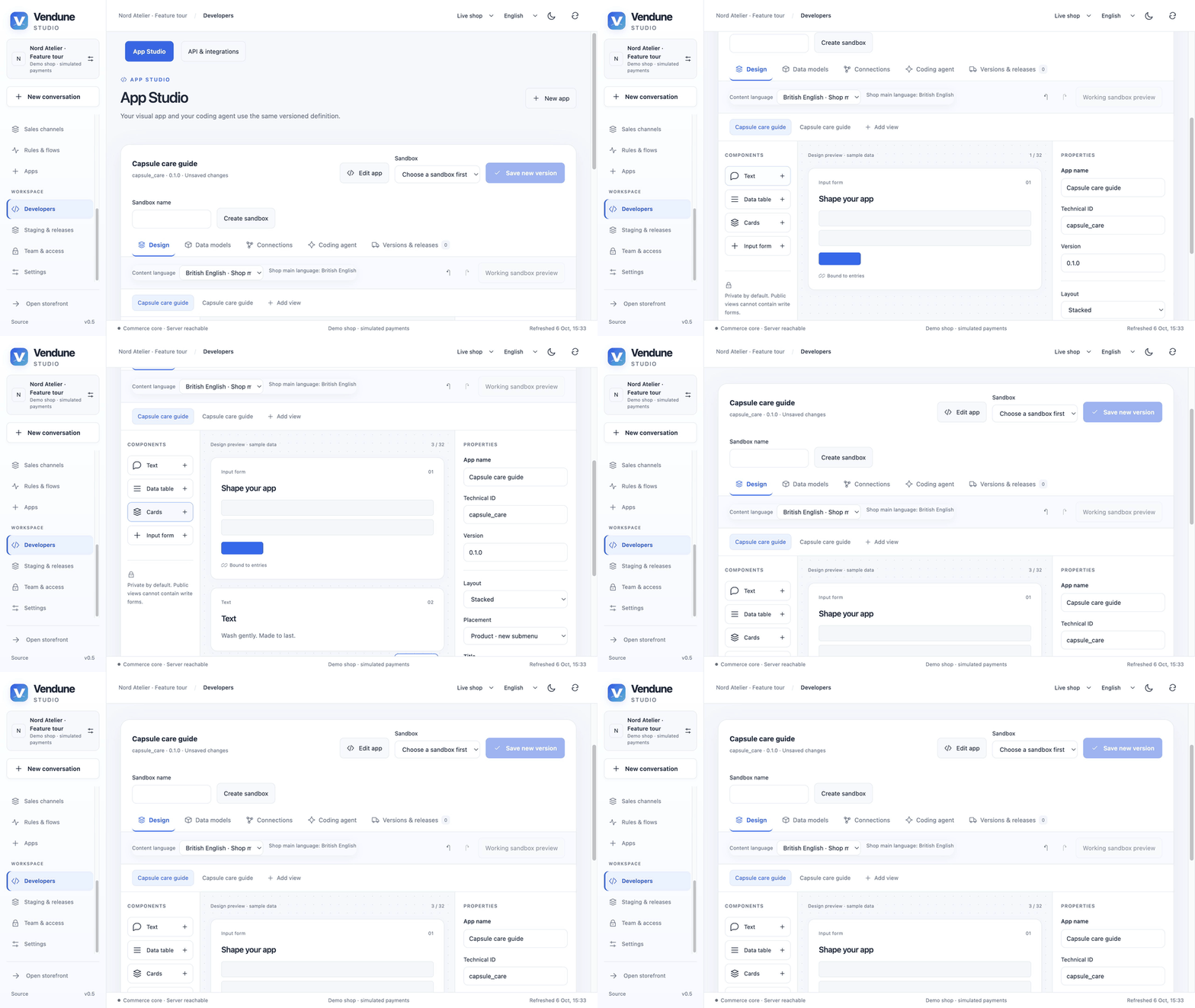
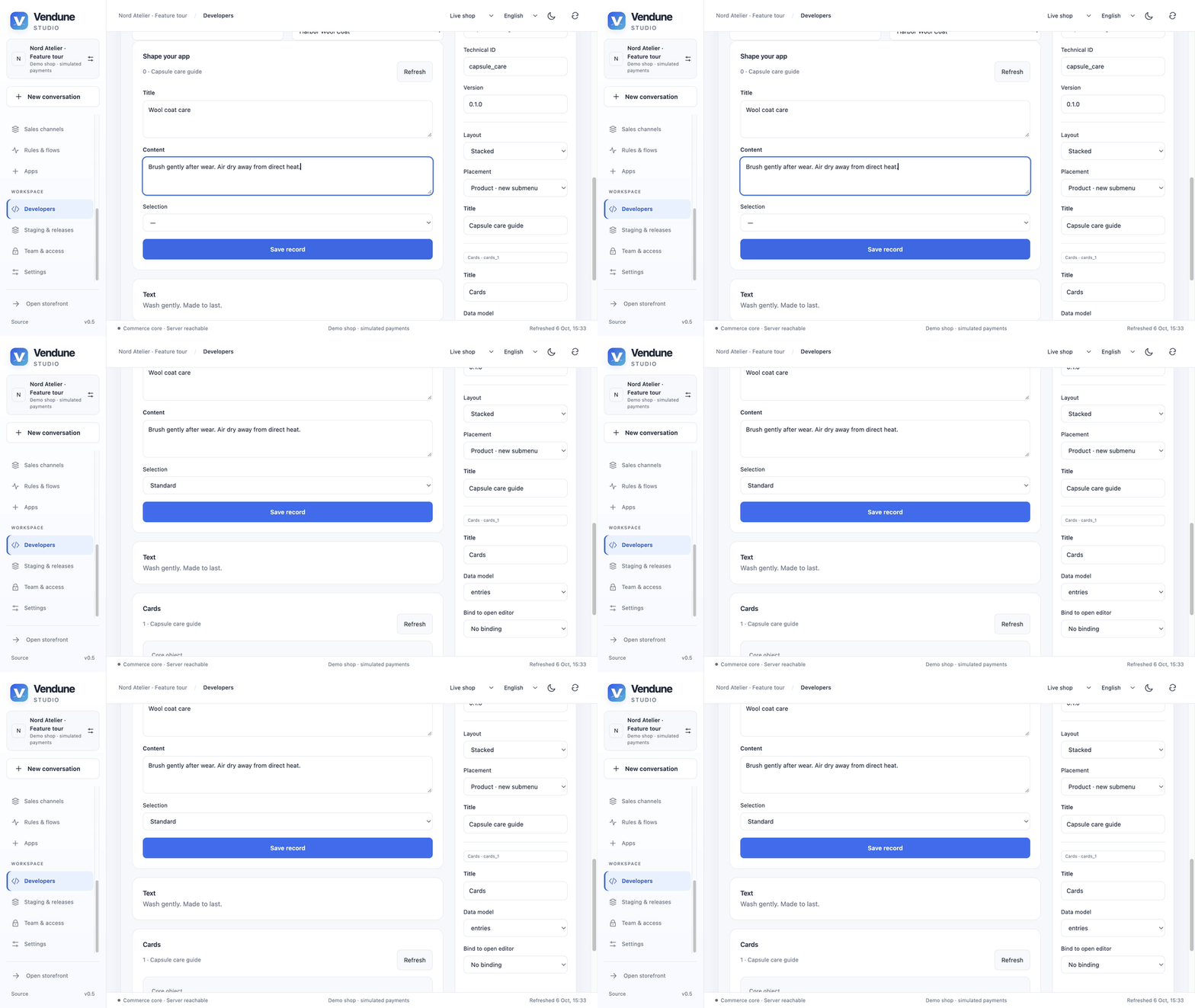
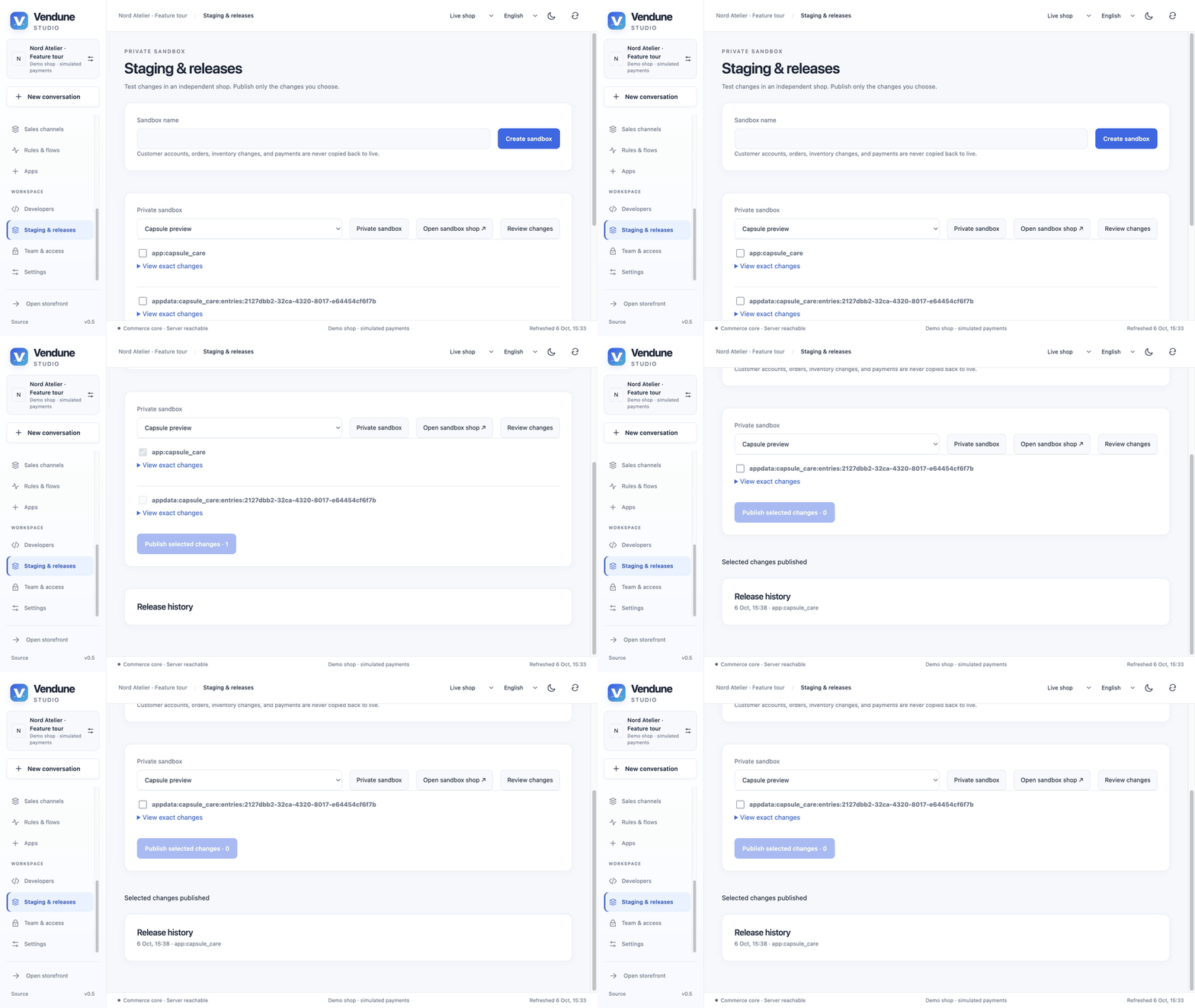
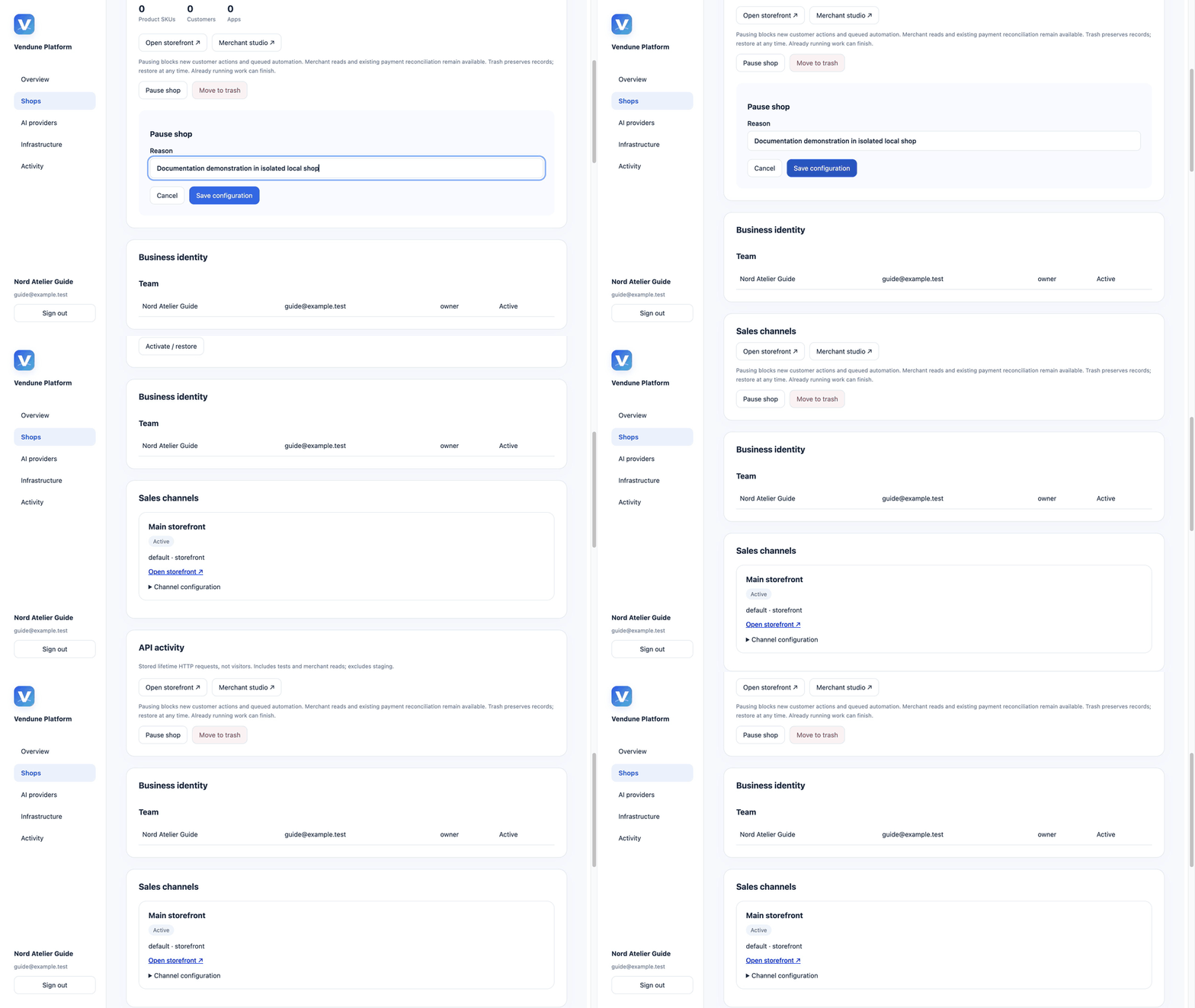
The GIFs use actual browser screencast JPEG frames, encoded at 1,024 pixels wide with an eight-frame-per-second presentation and a 128-color palette. Long waits are shortened and important states are held for readability; recording segments of the same operation are joined where needed. No interaction or successful result is synthesized. Their timing must not be used as a latency benchmark. recordings.json records the source segment names, captured frame counts, final byte sizes and SHA-256 digests.
Service and verification scope
All checkout payments are simulated. The optional model, email, Slack, OAuth, PayPal and private Storyfront services were not contacted for these captures. Provider settings illustrate configuration; “Configured” is not a health check or evidence of a successful external transaction. The knowledge test uses native source retrieval without an LLM call. Platform counters/probes describe the isolated instance rather than production capacity.
The guide combines observed UI behavior with the reviewed native contracts. Screenshots do not establish every configuration, external integration or failure case. Keep that distinction, source versions and synthetic-data boundary when replacing media after a feature change.